AI Adoption Divide: How China and the U.S. Approach AI Tools Differently

The Great AI Divide: Two Approaches to Artificial Intelligence

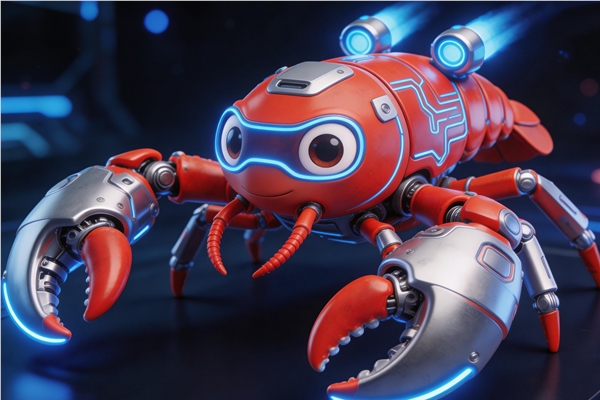
In a revealing interview with Bloomberg, OpenClaw founder Peter Steinberger - affectionately known as "Lobster" in tech circles - painted a fascinating picture of how differently China and the United States are embracing AI technology. His observations suggest we're witnessing the emergence of two distinct digital cultures.
Image

Workplace Revolution or Security Threat?

Steinberger described what he calls an "AI temperature difference" between the two superpowers. In China, companies are pushing employees to adopt AI tools with near-religious fervor - some even making it mandatory training. Meanwhile, across the Pacific, corporate America wrestles with security concerns that have led some firms to ban these very same technologies.

"Here's the irony," Steinberger noted. "In the U.S., you might get fired for using OpenClaw against company policy. But in China, you could lose your job for refusing to use it to boost productivity."

China's Living AI Laboratory

The OpenClaw founder observed something remarkable in China: everyone from students to seniors seems eager to test new AI systems. This nationwide enthusiasm has turned the country into what Steinberger calls "the world's largest AI testing ground."

He believes this hands-on approach offers valuable lessons. "You can't truly understand AI's potential - or its vulnerabilities - until people use it daily," Steinberger explained. "China's approach might seem aggressive, but they're learning fast about what works and what doesn't."

The Future of Personal AI Assistants

Now leading OpenAI's Codex team, Steinberger shared his vision for next-generation AI agents that break free from current limitations. He predicts the line between specialized programming tools and general-purpose assistants will soon disappear.

Imagine having a personal digital twin that knows you well enough to handle complex tasks across all your devices while keeping your data secure. That's where Steinberger believes we're headed - from simple chat interfaces to sophisticated agents capable of managing real-world responsibilities.

Key Points:

  • Chinese companies mandate AI tool usage while some U.S. firms restrict them
  • OpenClaw founder sees China as a massive real-world AI testing environment
  • Future AI agents will blend specialized and general capabilities seamlessly
  • Personal digital assistants may soon handle complex cross-platform tasks
Enjoyed this article?

Subscribe to our newsletter for the latest AI news, product reviews, and project recommendations delivered to your inbox weekly.

Weekly digestFree foreverUnsubscribe anytime

Related Articles

Taotian Group Equips Interns with AI Tools in Major Productivity Push
News

Taotian Group Equips Interns with AI Tools in Major Productivity Push

Taotian Group is rolling out free AI tools and computing resources to all employees - including interns - as part of its ambitious 'AI Productivity Plan'. The e-commerce giant now provides access to premium AI services like Wukong and Qoder series, along with token quotas for large model usage. This marks a strategic shift from experimental AI adoption to full-scale implementation across the organization.

March 27, 2026
AI adoptionworkplace technologycorporate strategy
News

China's AI Boom: Enterprise Adoption of Large Models Triples

Chinese companies are racing to adopt AI large models at unprecedented speed, with usage skyrocketing 263% in just six months. Alibaba Cloud's Qwen leads the pack with a third of the market, while ByteDance and dark horse DeepSeek complete an emerging 'big three' reshaping China's AI landscape.

February 24, 2026
AI adoptionChinese techenterprise technology
News

Baidu's Digital Workforce Hits 1.3 Million as AI Agents Go Mainstream

Baidu's Qianfan platform has reached a significant milestone, powering over 1.3 million AI agents across industries. These digital workers are no longer experimental - they're handling millions of daily tasks in finance, manufacturing, and retail. With new model integrations and predictions of autonomous 'digital employees' by 2026, Baidu is leading China's AI commercialization race.

February 6, 2026
AI adoptionenterprise technologydigital transformation
News

AI Apps Surge: Monthly Users Jump by 200 Million

China's mobile internet landscape is buzzing with AI excitement. Recent data reveals AIGC apps added over 200 million monthly active users in December 2025, growing at a staggering 150% year-over-year. Meanwhile, AI plugins reached nearly 700 million users as smart tools become indispensable for work and daily life. This explosive growth signals how deeply artificial intelligence is reshaping digital experiences.

February 3, 2026
AIGCmobile trendsAI adoption
News

Workplace AI Adoption Hits Plateau as Practical Benefits Remain Elusive

Gallup's latest survey reveals workplace AI adoption growth has stalled, with only a 1% increase in Q4 2025. While tech professionals embrace AI tools enthusiastically, many employees find them more burdensome than helpful. The report highlights stark disparities across industries and job types, suggesting companies need to rethink how they implement these technologies.

January 27, 2026
AI adoptionworkplace technologyGallup survey
Anker's Tiny AI Recorder Redefines Meeting Notes
News

Anker's Tiny AI Recorder Redefines Meeting Notes

Anker teams up with Feishu to launch a revolutionary 10-gram voice recorder that disappears on your collar. This pocket-sized powerhouse doesn't just record - it summarizes discussions in real-time, translates languages, and even transforms messy brainstorming into organized fishbone diagrams. Perfect for professionals drowning in meetings, it seamlessly syncs with Feishu's workspace tools.

January 19, 2026
AI hardwareproductivity toolsworkplace innovation