DeepMind's Lyria 3 Turns Anyone Into a Music Producer

Google DeepMind Democratizes Music Creation With Lyria 3

Imagine describing your dream song and hearing it come to life moments later. That's exactly what Google DeepMind's new Lyria 3 AI model delivers. The tech giant's latest innovation transforms simple text prompts into complete musical compositions - vocals, lyrics, and all.

Music Creation Made Effortless

Lyria 3 shines brightest in its simplicity. Users don't need any musical knowledge to compose tracks that sound professionally produced. Just type natural descriptions like "a melancholic piano ballad about lost love" or "an upbeat pop song perfect for summer road trips," and the AI handles the rest.
Image

The magic doesn't stop with text. Upload vacation photos or artwork, and Lyria 3 analyzes the visual mood to craft fitting background music along with custom album art. Content creators can even submit video clips to receive tailor-made soundtracks that sync perfectly with their footage.

Current Limitations and Future Plans

While impressive, Lyria 3 isn't without constraints:

  • Duration: All tracks cap at 30 seconds
  • Commercial Use: Currently restricted to personal projects only
  • Language Support: Limited availability for non-English prompts

Google acknowledges these limitations but promises significant upgrades coming soon. The roadmap includes extended track lengths, broader language support, and commercial licensing options that could revolutionize how businesses source background music.

A New Era of Creative Expression

The implications extend far beyond casual experimentation. Educators could use Lyria 3 to demonstrate musical concepts visually. Therapists might employ it for music-assisted healing sessions. Small businesses could generate affordable jingles without hiring composers.

The beta version is now available worldwide through the Gemini app for users aged 18+. While professionals might find the current version too restrictive for serious work, it offers unprecedented creative freedom for everyone else.

Key Points:

  • Instant Composition: Generates complete songs from text prompts in seconds
  • Visual Inspiration: Creates music based on uploaded photos or videos
  • Accessible Design: Requires no musical training or technical skills
  • Free Access: Available at no cost for non-commercial use
  • Future Potential: Expected expansions include longer tracks and commercial licenses
Enjoyed this article?

Subscribe to our newsletter for the latest AI news, product reviews, and project recommendations delivered to your inbox weekly.

Weekly digestFree foreverUnsubscribe anytime

Related Articles

Apple's AI Design Breakthrough: Small Model Outshines GPT-5
News

Apple's AI Design Breakthrough: Small Model Outshines GPT-5

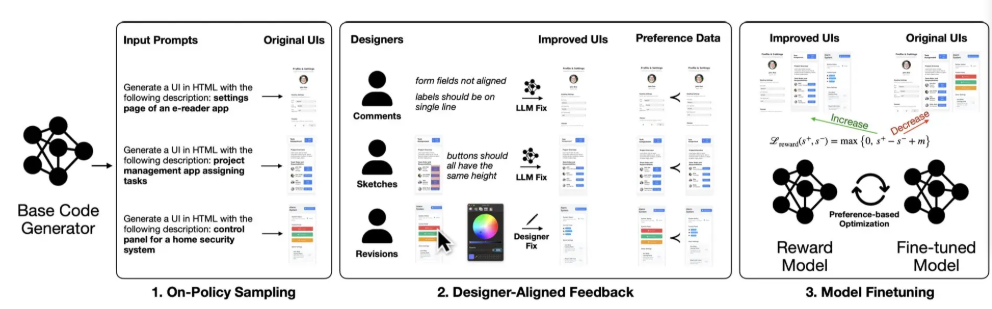
Apple has cracked the code on AI-powered design. Their research shows that fine-tuning smaller models with direct feedback from professional designers yields remarkable results—so much so that their optimized Qwen3-Coder now surpasses GPT-5 in UI design quality. By collecting detailed annotations and sketches from 21 senior designers, Apple created a training method that dramatically improves both aesthetic appeal and logical consistency.

February 6, 2026
AI DesignHuman-AI CollaborationCreative Technology
News

Apple's AI Brain Drain: Top Siri Exec and Researchers Jump Ship

Apple's artificial intelligence team is bleeding talent as key researchers and executives depart for rivals like Meta and Google DeepMind. The exodus includes Siri's former senior director Stuart Bowers and four prominent AI scientists, raising questions about Apple's ability to retain top tech minds in the fiercely competitive AI landscape.

February 2, 2026
AppleArtificial IntelligenceTech Talent Wars
News

Google DeepMind Chief Raises Eyebrows Over ChatGPT Ads

At the 2026 Davos Forum, Google DeepMind CEO Demis Hassabis openly questioned OpenAI's decision to introduce advertising in ChatGPT. While acknowledging ads fund many free services, Hassabis argued AI assistants require deeper user trust than search engines. Google currently has no plans to monetize its Gemini chatbot similarly, preferring to focus on improving personalized assistance through user data rather than rushing to generate revenue.

January 23, 2026
AI ethicsChatGPTGoogle DeepMind
Google Veo 3.1 Levels Up: Smoother Videos, Vertical Format & Stunning 4K
News

Google Veo 3.1 Levels Up: Smoother Videos, Vertical Format & Stunning 4K

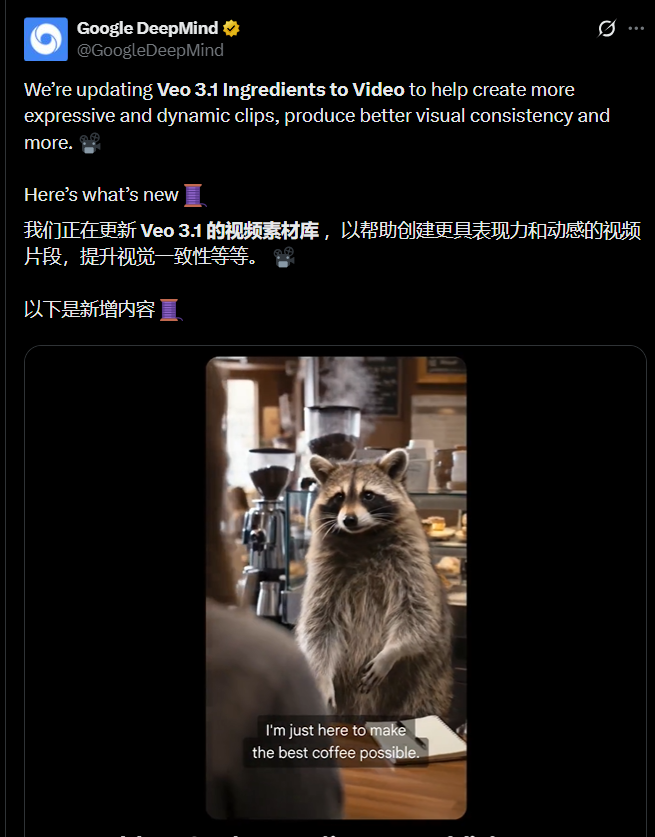
Google's Veo 3.1 video generation model gets smarter with its latest update. Creators can now expect more consistent characters across scenes, native vertical formatting for social media, and professional-grade 4K upscaling. These improvements transform AI video from experimental tech into a practical tool for storytellers and content creators.

January 16, 2026
AI videocontent creationGoogle DeepMind
Blender Artists Stick to Their Tools: Survey Shows Only 7% Embrace AI
News

Blender Artists Stick to Their Tools: Survey Shows Only 7% Embrace AI

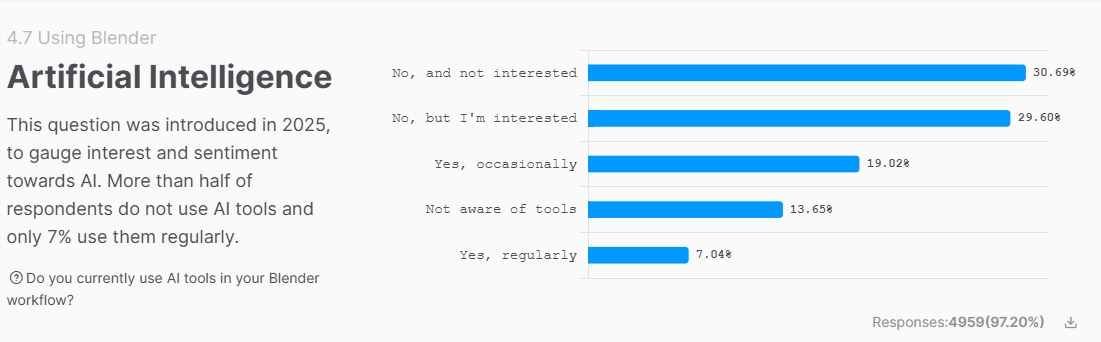
A new survey from the Blender Foundation reveals surprising trends among 3D creators. Despite AI's rapid advancement, over half of professional users avoid it entirely, with just 7% incorporating it regularly into their workflow. The findings suggest that in fields requiring artistic precision, traditional skills still reign supreme.

December 30, 2025
Blender3D ModelingDigital Art
AI-Generated Fake Music Floods Streaming Platforms, Artists Sound Alarm
News

AI-Generated Fake Music Floods Streaming Platforms, Artists Sound Alarm

The music industry is grappling with an explosion of AI-generated clone songs impersonating major artists. From Drake to Beyoncé, musicians find their voices hijacked by synthetic tracks flooding streaming services. While platforms like Spotify scramble to remove millions of fake songs, distributors struggle to verify uploaders' identities in this new era of musical identity theft.

December 17, 2025
AI MusicDigital CopyrightStreaming Platforms