

Dedu Tackles AI's Memory Gaps in Data Warehousing
When AI Forgets What It Just Learned
Data teams at Dewu made an unsettling discovery—their AI coding assistant Claude Code suffers from something resembling digital amnesia. During extended development sessions, the tool would suddenly forget critical context like measurement units, occasionally generating SQL queries that produced results off by a factor of 1,000.
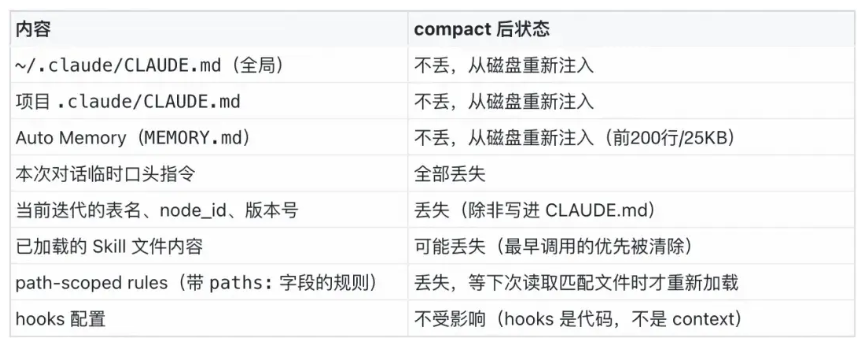
"It's like working with a brilliant intern who keeps nodding along, then randomly spaces out," explains a senior Dewu developer. The team traced the issue to context compression—when conversation history exceeds the AI's memory limit, it silently discards earlier details rather than flagging the information loss.
The Compliance Conundrum
Human developers under deadline pressure already struggle with consistency, manually enforcing standards only 60-70% of the time. Surprisingly, AI proved only marginally better at 70-80% compliance recall. This revelation shattered assumptions that AI tools would naturally maintain perfect standards adherence.
"Memory isn't enough," notes Dewu's engineering lead. "We need these rules baked into the system itself—something that fails closed rather than open when overloaded."
Engineering a Solution
The breakthrough came with Dewu's "Harness Engineering" concept. Rather than hoping AI remembers rules, they're building automated checkpoints—digital guardrails that validate every code change against standards before execution. Think of it like spellcheck for data engineering, but verifying everything from naming conventions to unit consistency.
Early results show promise. One test project saw error rates drop 40% simply by preventing common memory-related mistakes before they happened. The approach particularly shines on large-scale projects where AI context limitations previously caused cascading errors.
What This Means for Developers
For teams adopting AI coding tools, Dewu's experience offers crucial lessons:
- Assume memory limitations - Design workflows expecting context loss
- Validate everything - Never trust AI output without verification
- Build safety nets - Automated checks prevent errors human reviewers might miss
As one developer put it: "We're not replacing human oversight—we're engineering better safety systems so both humans and AI can do their best work."
Key Points
- Memory gaps plague AI tools - Context compression leads to dangerous "forgetting" of key details
- Compliance isn't automatic - Both humans and AI struggle with consistent standards enforcement
- Guardrails beat recall - System-level checks prove more reliable than hoping AI remembers rules
- The future is assisted - Hybrid systems combining AI creativity with automated validation show greatest promise